Bologna Train Station
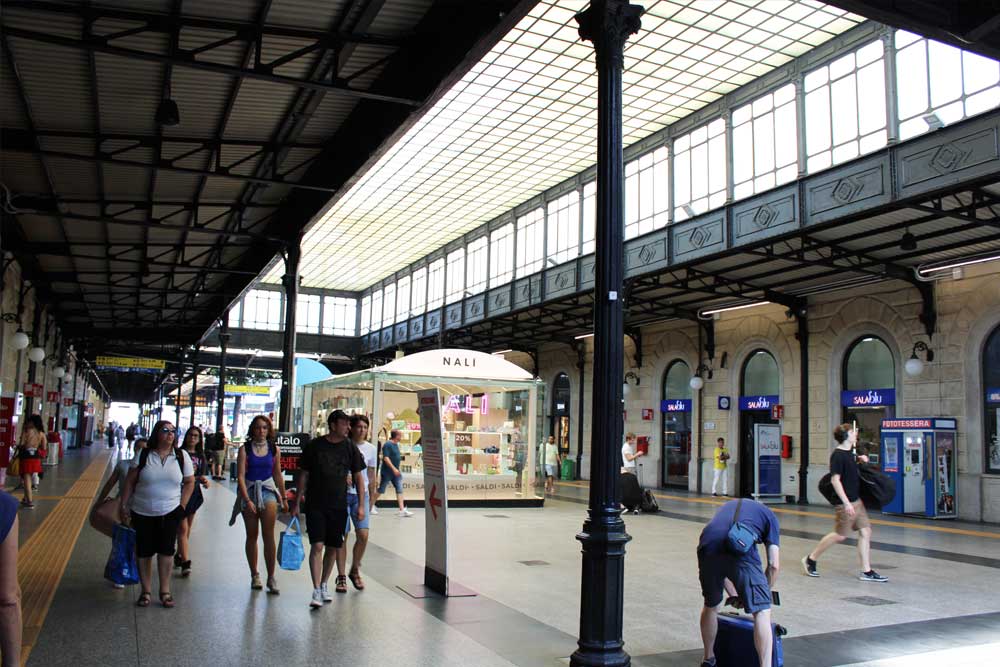
Every day, thousands of travellers move through Bologna’s railway station while making rapid decisions under conditions of uncertainty, time pressure, and continuous movement. In such environments, orientation is not simply a matter of signage. It depends on how people perceive space, recognise landmarks, build mental maps, and interpret environmental cues while navigating complex spatial systems.
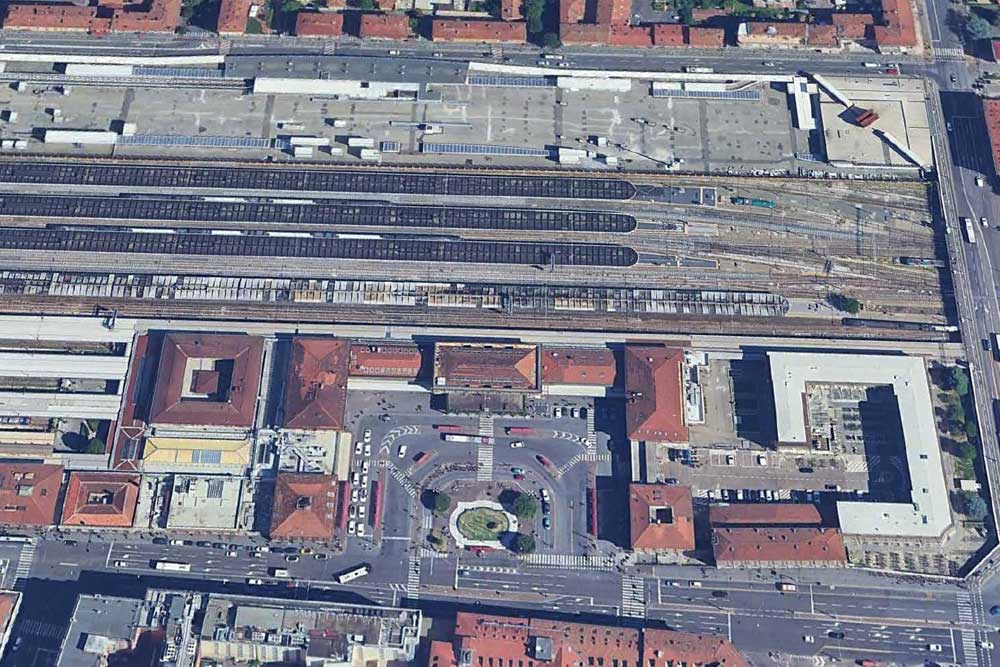
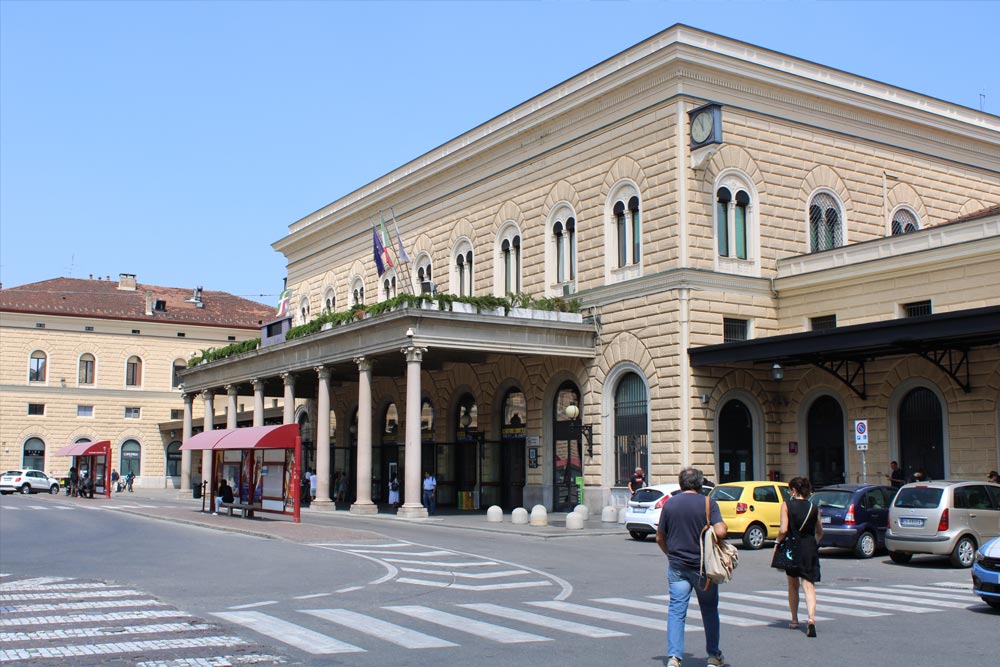
Developed in collaboration with NET Engineering, this project focused on the connection between Bologna’s historic station and the new high-speed rail hub. Tuning Arch applied principles from neuroscience and environmental psychology to investigate how passengers experience the transition between these two infrastructures and how the design of space can influence orientation, emotional regulation, and perceived comfort.
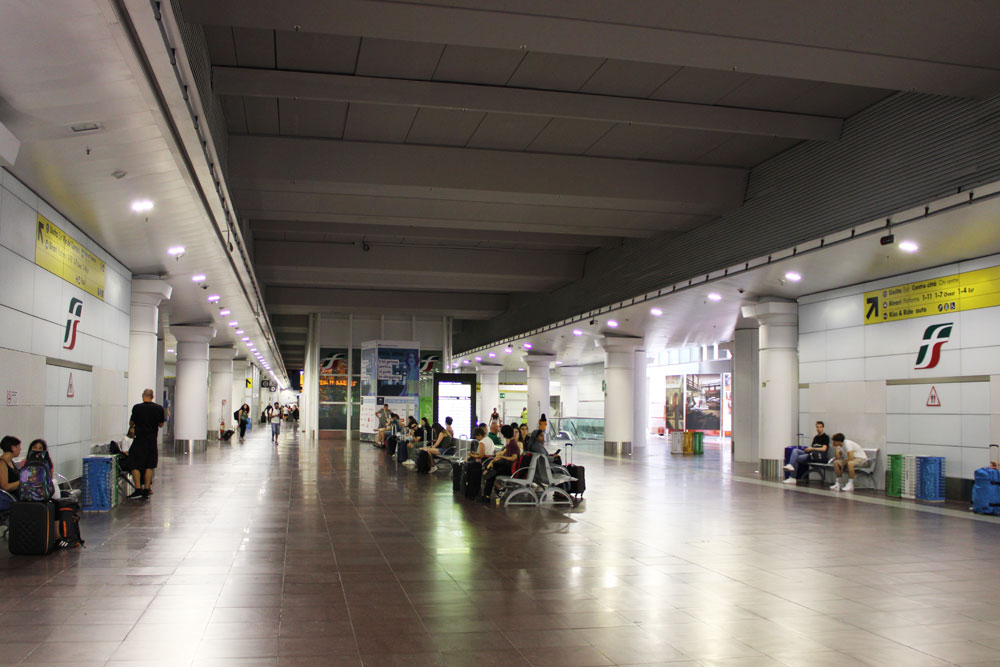
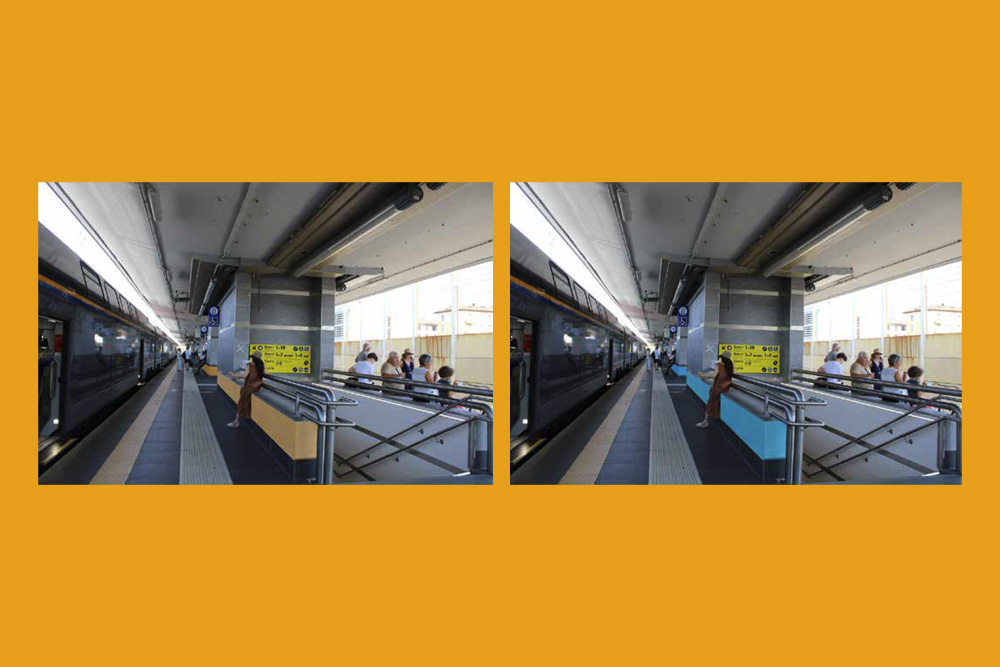
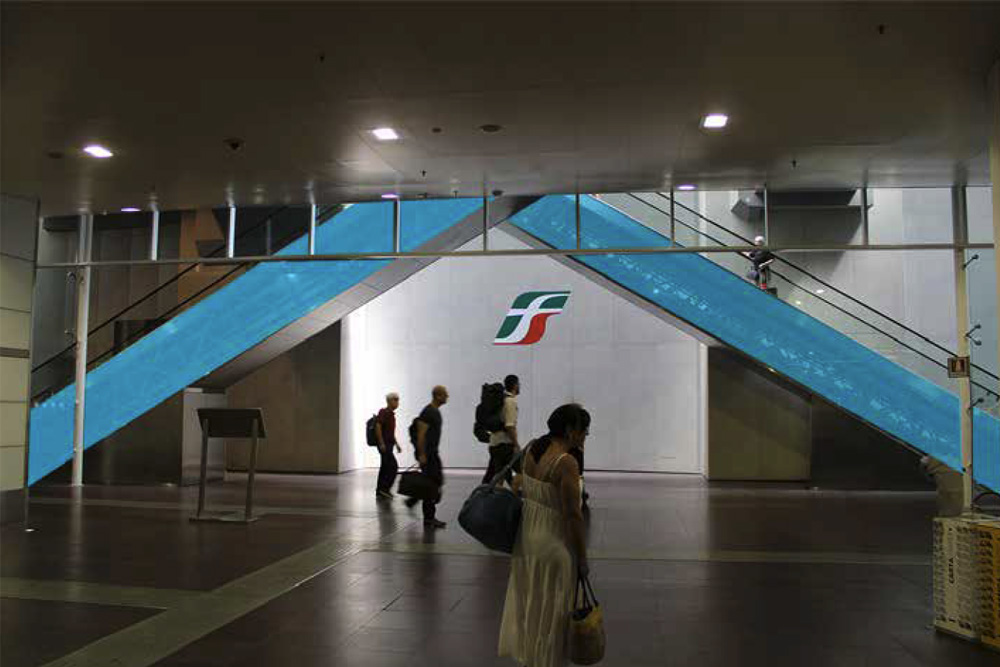
The study examined movement patterns, visibility conditions, decision points, and the sequence of experiences encountered by travellers as they move through the station. Particular attention was devoted to moments where cognitive demand increases, such as changes in level, route selection, or the search for destinations under time constraints. Rather than approaching wayfinding as a purely informational challenge, the project considered orientation as a behavioural and emotional process involving perception, memory, and expectations.
The resulting recommendations contributed to the development of a more intuitive and accessible environment, supporting both operational efficiency and passenger wellbeing. The project demonstrates how transportation infrastructures can benefit from a deeper understanding of human behaviour, creating journeys that are easier to navigate, less stressful, and more meaningful for their users.
Works List
Year: 2024
Location: Bologna
Service: Neuro Brief
Client: NET Engineering
Status: Costruction
Size: 120.000 mq