Rest House
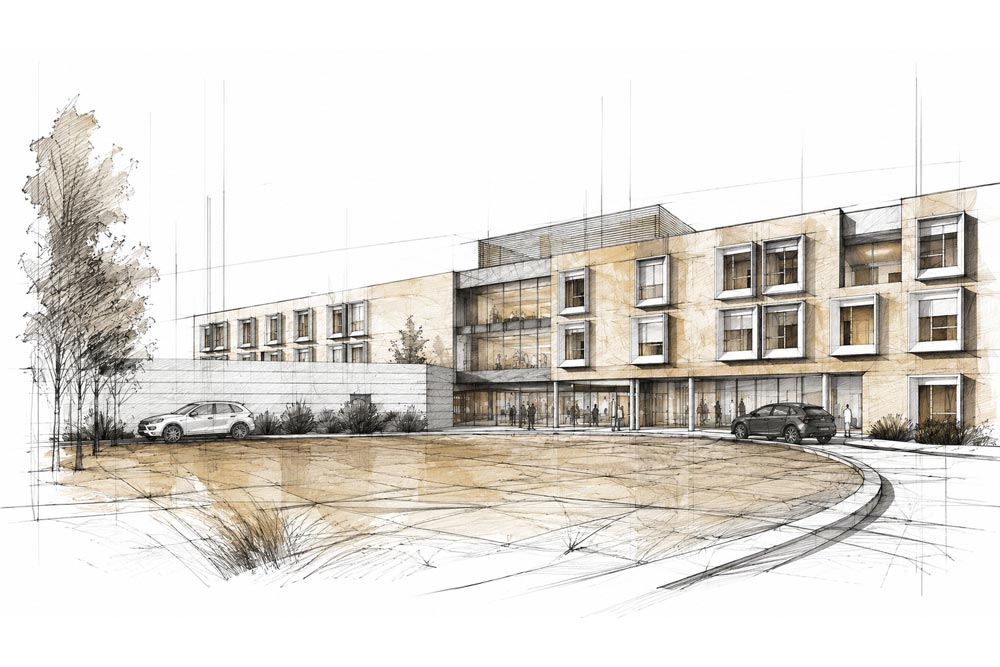
As life expectancy increases, the design of environments for older adults becomes a crucial social and architectural challenge. Residential care facilities are no longer expected to function solely as places of assistance; they are increasingly required to support autonomy, dignity, social participation, and emotional wellbeing. This project explored how architecture can contribute to improving quality of life during later stages of life by creating environments that respond to both physical and psychological needs.
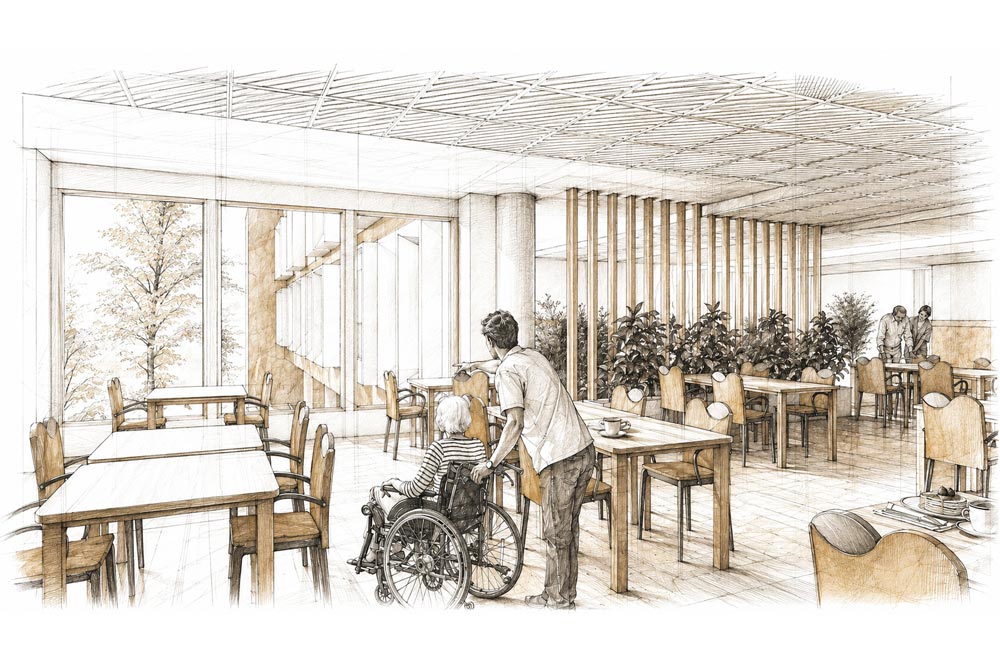
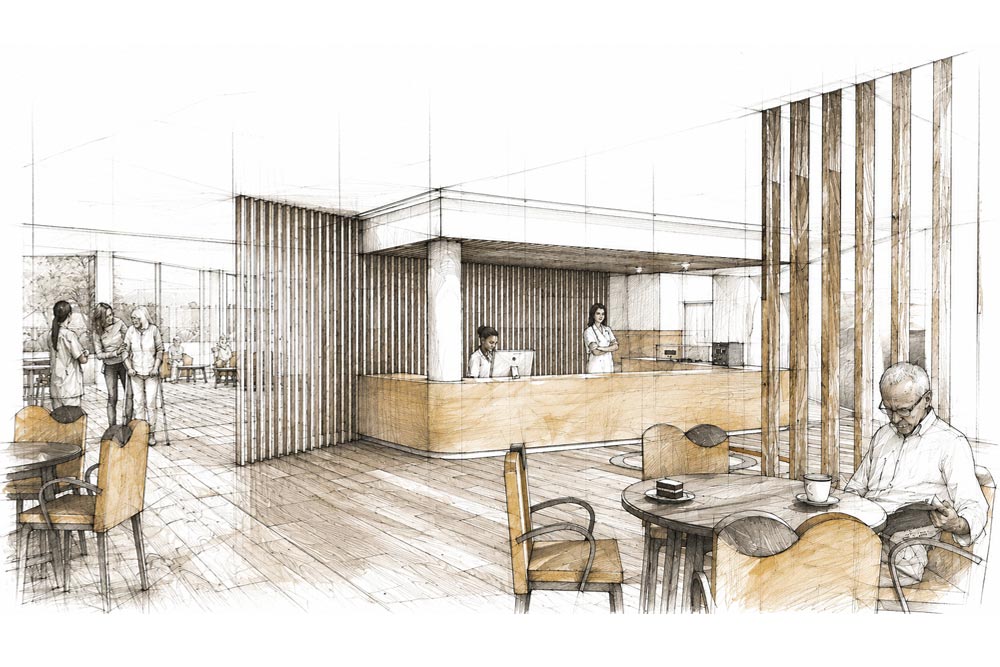
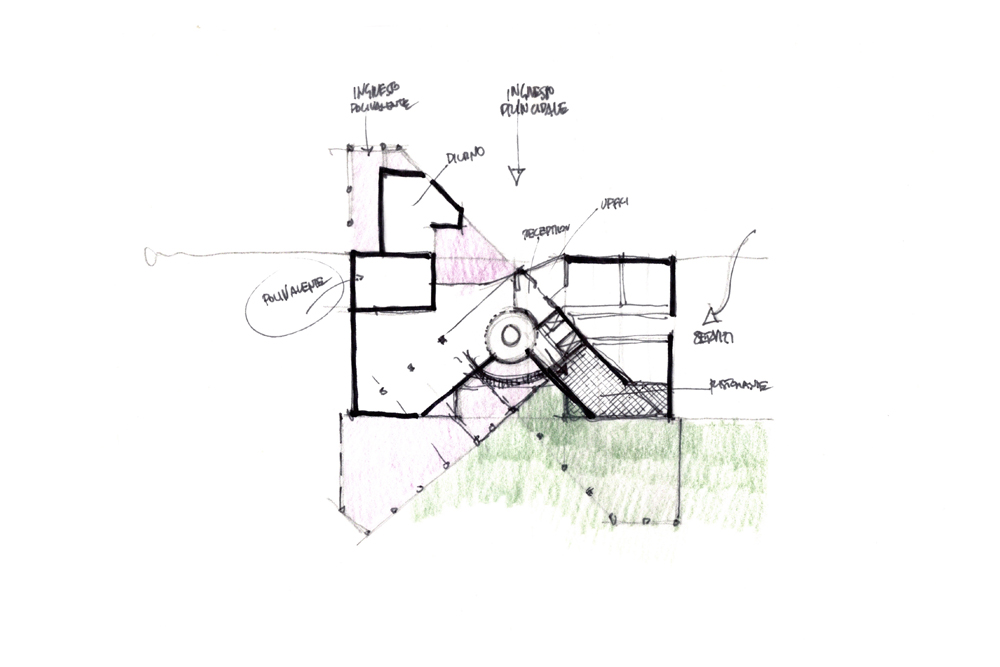
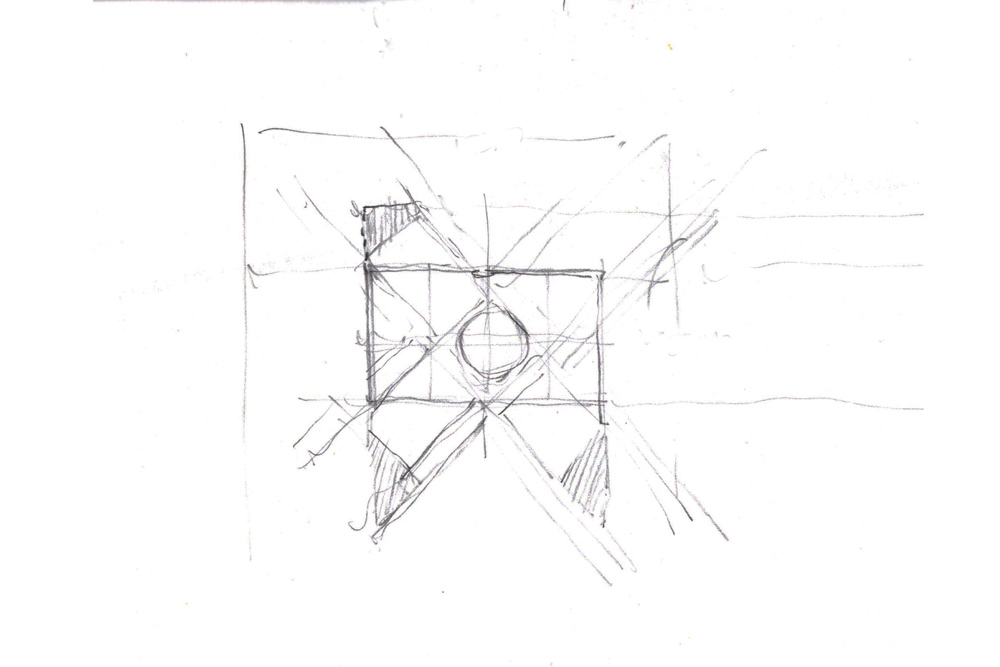
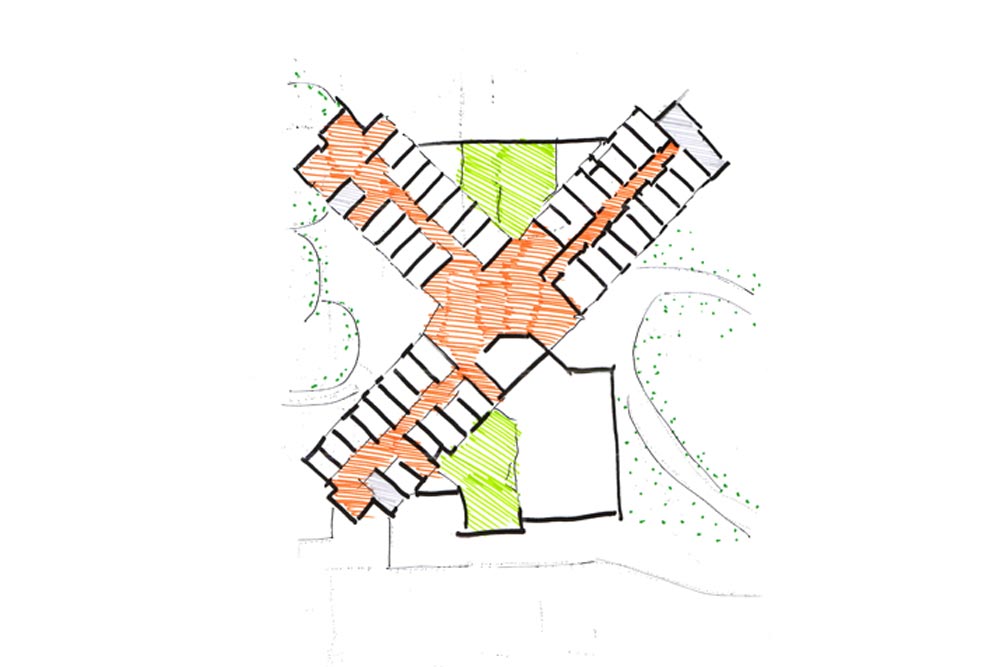
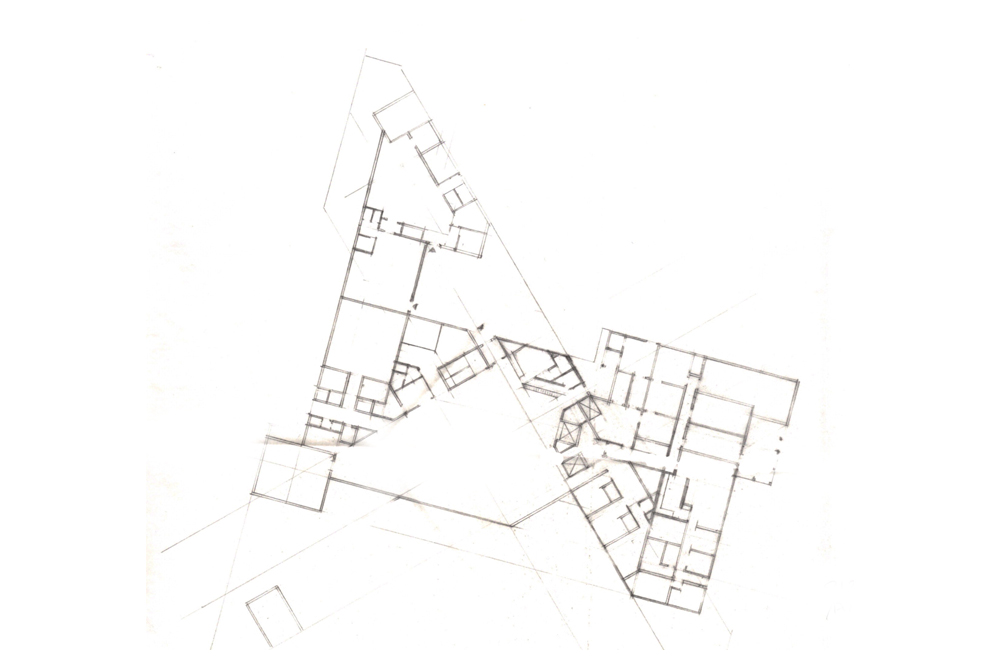
Developed as a neuroscientific brief and architectural proposal for a residential facility accommodating approximately 120 residents, the project investigated how neuroscience and environmental psychology can inform the design of spaces that are easier to understand, navigate, and inhabit. Particular attention was devoted to orientation, environmental legibility, access to natural light, and the creation of recognisable places capable of reducing confusion and supporting a sense of familiarity.
The study examined the delicate balance between private and collective life, exploring how communal spaces can encourage social interaction without compromising individual comfort and autonomy. Gardens, common areas, circulation spaces, and everyday amenities were conceived as opportunities to support movement, encounter, and participation.
The resulting proposal demonstrates how care environments can move beyond institutional models to become places that actively support wellbeing, belonging, and human dignity. By translating insights from neuroscience and environmental psychology into design strategies, the project contributes to a more holistic understanding of ageing and residential care.
Works List
Year: 2019
Location: Padova
Service: Brief and design
Client: Lombardini22
Size: 9.000 mq