Juvenile Prison
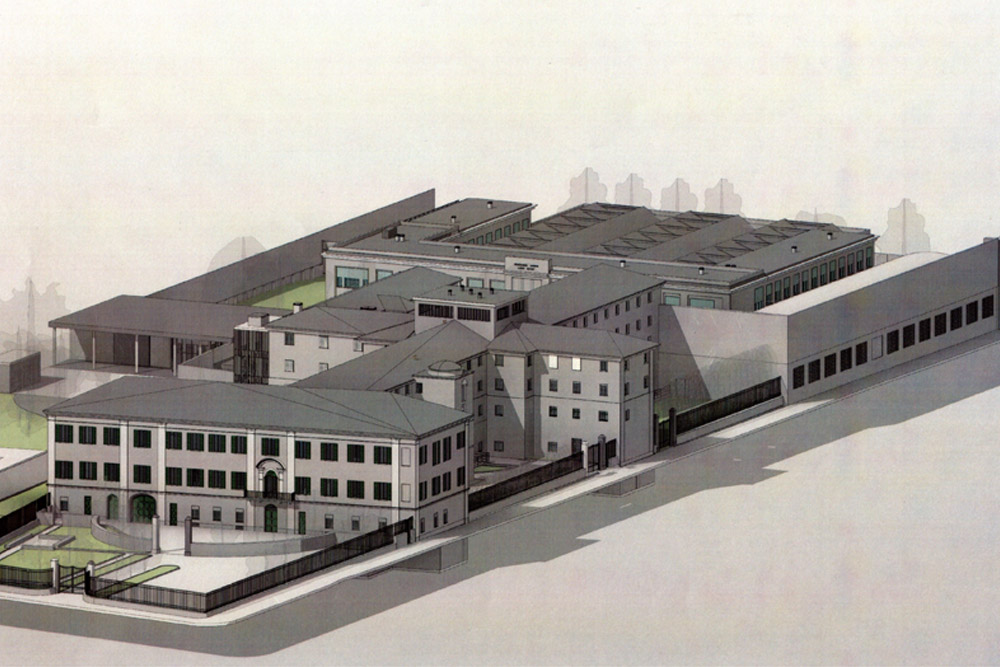
Correctional environments are often designed primarily around security and control. Yet when the users are adolescents and young adults, architecture also has the responsibility of supporting education, personal development, and social reintegration. This project explored how spatial environments can contribute to rehabilitation processes by addressing the emotional and behavioural dimensions of detention.
The study investigated the daily experiences of young inmates, focusing on how environmental conditions influence stress, social relationships, motivation, and self-perception. Drawing on neuroscience and environmental psychology, Tuning Arch analysed opportunities to improve environmental quality while maintaining the operational r
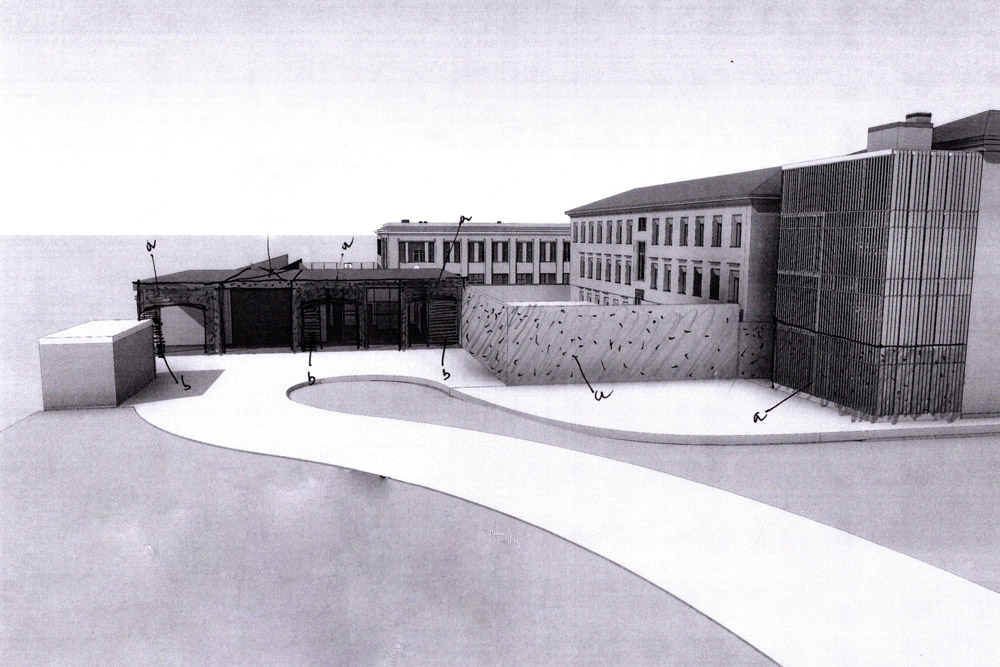
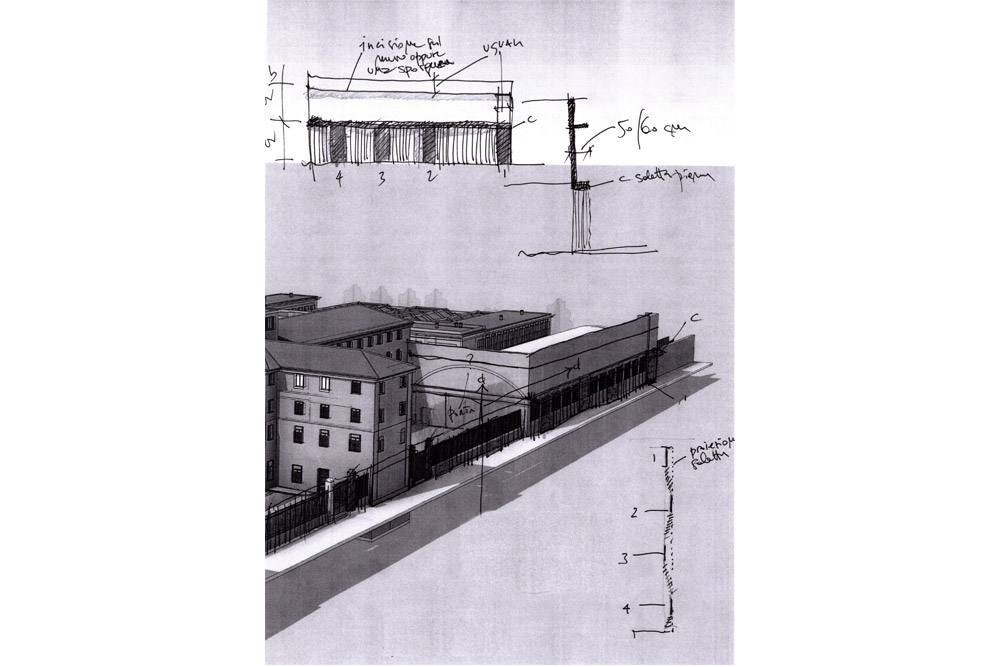
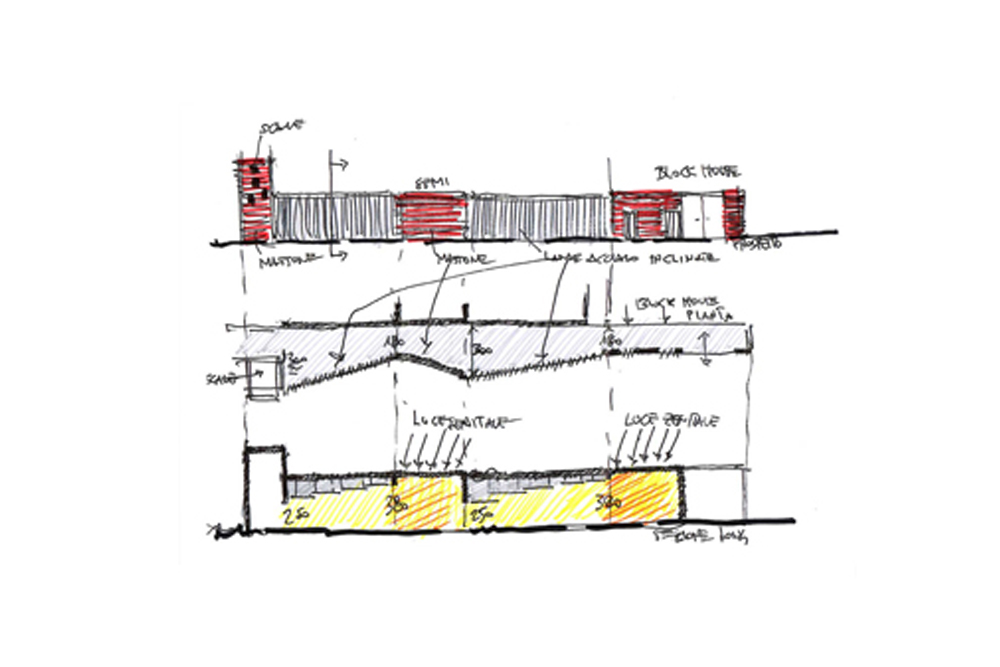
Particular attention was devoted to communal spaces, educational facilities, outdoor environments, and areas dedicated to social interaction. The project explored how access to natural light, recognisable spatial identities, opportunities for movement, and contact with nature can contribute to emotional regulation and healthier behavioural patterns. Rather than reinforcing isolation, the proposal sought to create conditions that encourage responsibility, participation, and personal growth.
The resulting recommendations demonstrate how architecture can become part of the rehabilitation process itself. By integrating principles from neuroscience and environmental psychology into correctional design, the project proposes a more human-centred model capable of supporting both individual wellbeing and broader social outcomes.
Works List
Year: 2022
Location: Turin
Service: Neuro Brief
Client: Lombardini22
Status: Construction
Size: 30.000 mq