Motus Office
Every workplace reflects a set of assumptions about how people work, collaborate, and interact. Yet many office environments are designed before a meaningful understanding of users has been established. This project began from the opposite premise: that design should emerge from a deeper understanding of expectations, behaviours, and lived experience.
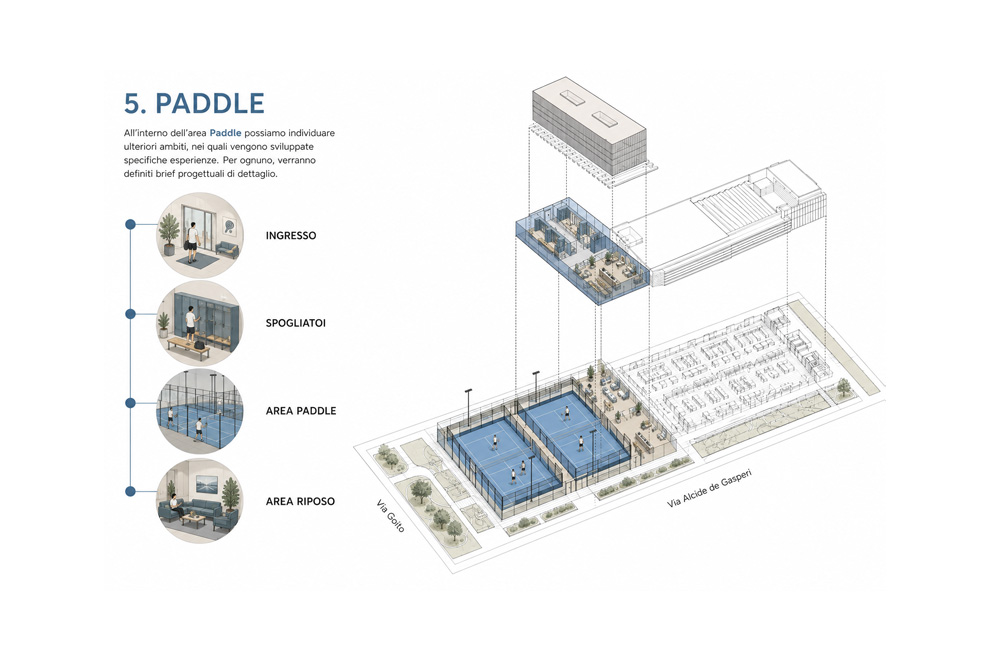
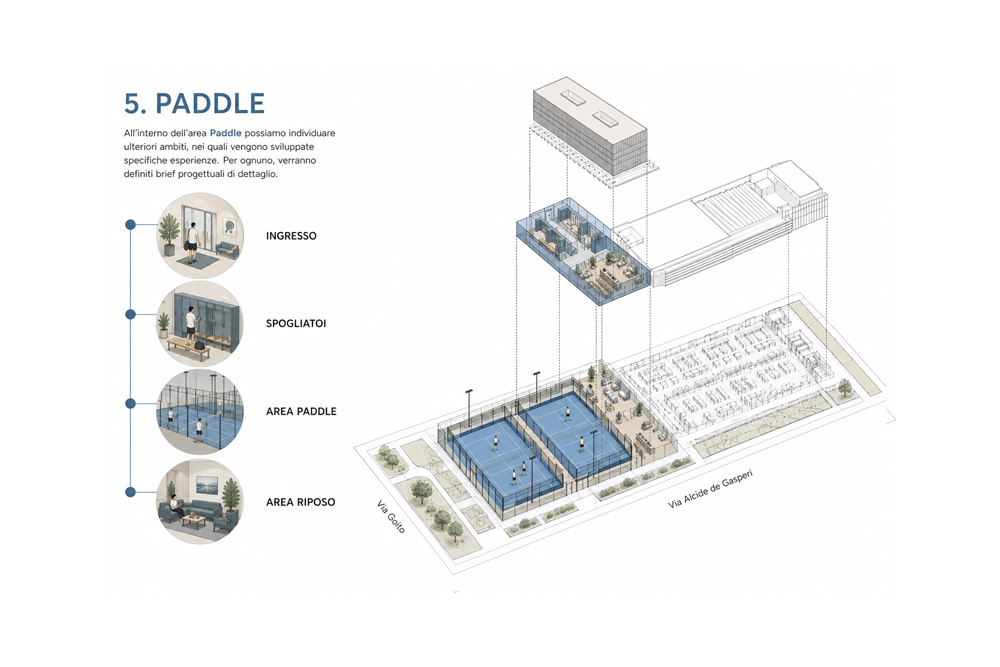
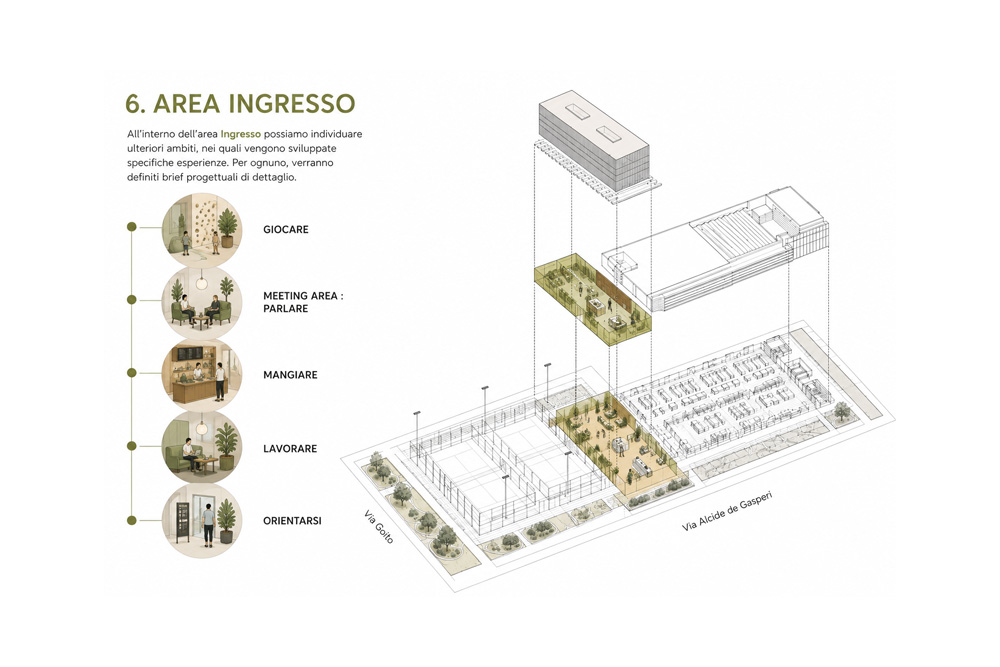
Prepared for architect Manuel Paredes, the project involved the development of a neuroscientific brief intended to enrich the architectural process through a behavioural perspective. The study investigated how future occupants imagined their workplace, what forms of interaction they valued, and how environmental conditions could support both individual performance and collective engagement.
The research explored themes such as concentration, collaboration, workplace identity, environmental comfort, and opportunities for informal exchange. Rather than prescribing specific architectural solutions, the brief sought to provide a framework through which design decisions could be evaluated according to their impact on everyday experience.
Particular attention was devoted to the relationship between spatial organisation and behavioural outcomes, recognising that even subtle environmental features can influence how people use and interpret space. The resulting work demonstrates how neuroscience and environmental psychology can enrich the design process by revealing dimensions of user experience that often remain invisible within conventional briefing methodologies.
Works List
Year: 2019
Location:Milan
Service: Neuro Brief
Client: Risanamento
Status: Construction
Size: 9.000 mq