Social Housing
Housing extends far beyond the boundaries of individual dwellings. The quality of residential life is shaped equally by the spaces between homes, by opportunities for social interaction, and by the ways people develop attachment to the places they inhabit. This project explored how social housing can support stronger communities while responding to the everyday needs of residents.
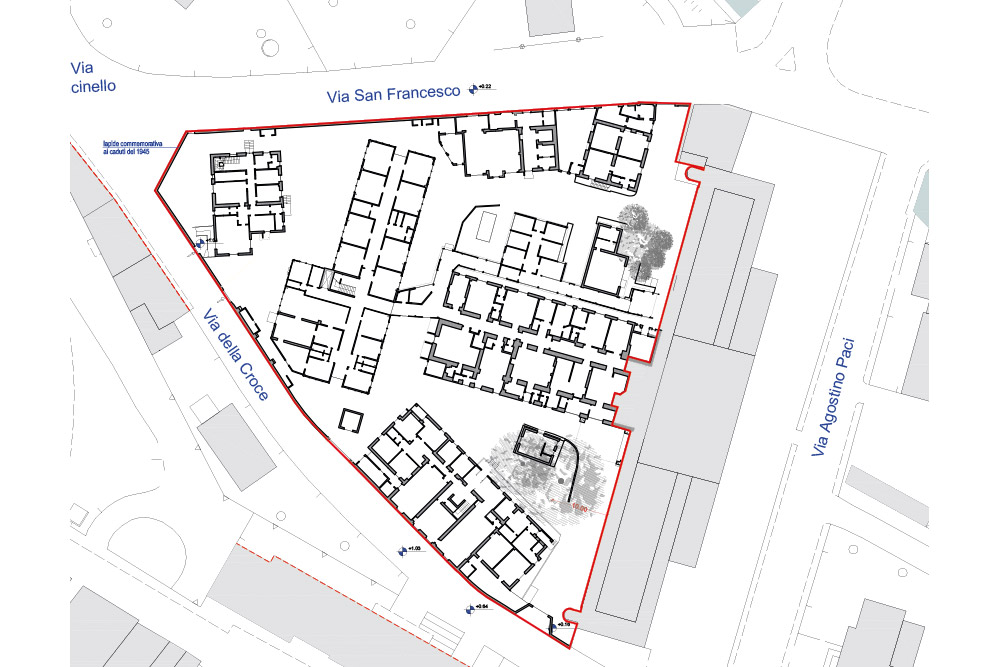
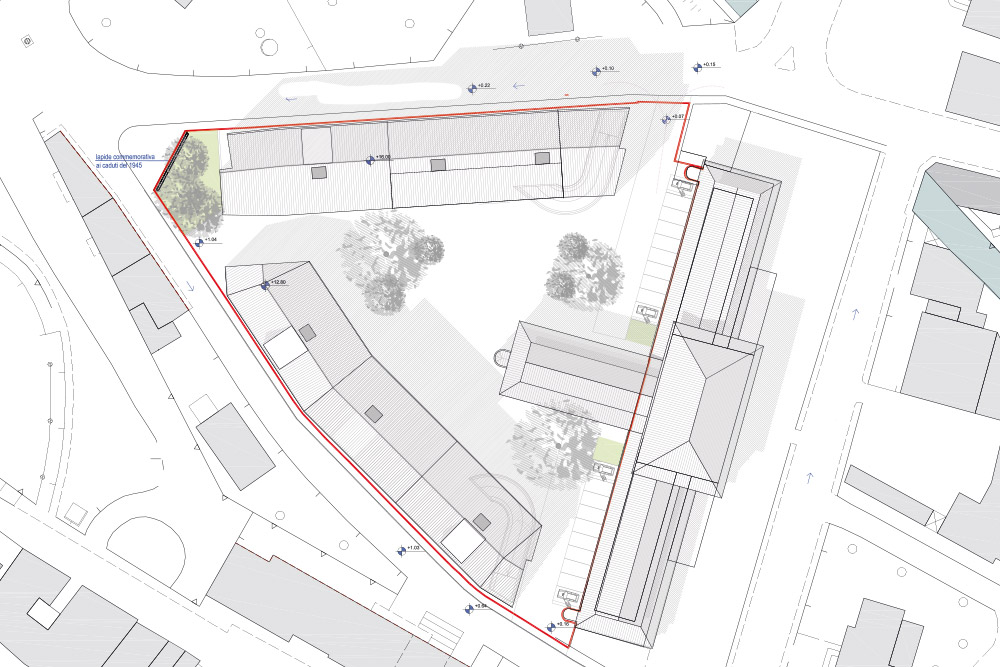
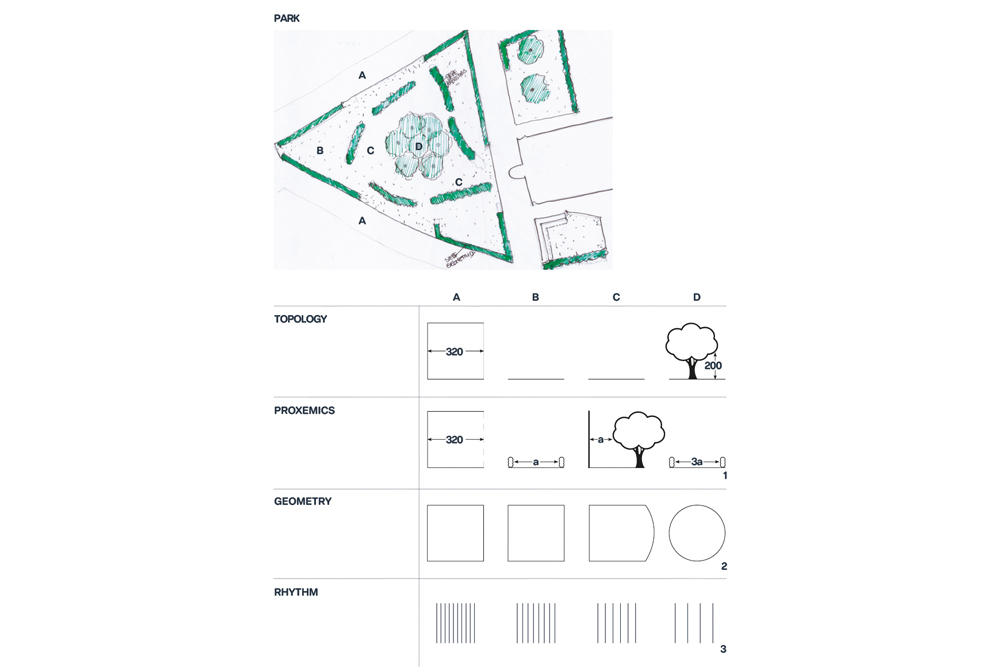
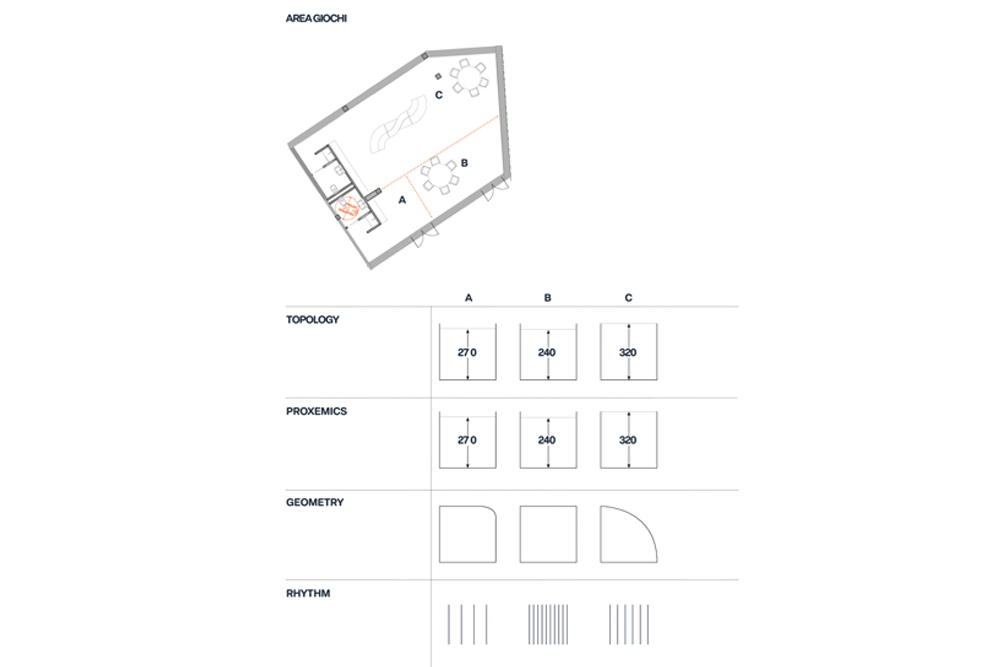
The study focused on understanding the pre-reflective expectations people bring into residential environments and how these expectations influence the perception and use of shared spaces. Rather than concentrating exclusively on housing units, the project examined the broader social ecosystem of the neighbourhood, including courtyards, circulation areas, and communal outdoor spaces.
Particular attention was devoted to the relationship between privacy and collective life. The research investigated how environmental conditions influence social interaction, feelings of safety, territorial identity, and long-term belonging. By analysing behavioural patterns and everyday routines, the project identified opportunities to strengthen informal encounters and improve the quality of communal environments.
The resulting recommendations proposed targeted interventions capable of enhancing both individual wellbeing and collective cohesion. Informed by neuroscience and environmental psychology, the project demonstrates how residential environments can support healthier and more resilient communities through the careful design of everyday spatial experiences.
Works List
Year: 2017
Location: Sarzana
Service: Neuro Brief
Client: BDEA sgr
Status: in design
Size: 3.000 mq